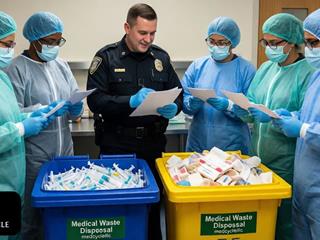
In healthcare environments, medical waste management is often associated with physical handling, storage, and disposal. However, one critical aspect that is frequently underestimated is documentation. Inaccurate, incomplete, or inconsistent documentation related to medical waste can expose healthcare facilities to regulatory penalties, legal risks, financial losses, and even reputational damage.
Preventing documentation errors in medical waste management is not just a compliance requirement; it is a practical necessity for operational efficiency, patient safety, and environmental responsibility. Healthcare facilities in Dallas that prioritize accurate record-keeping can greatly improve their overall waste handling processes.
Partnering with trusted Medical Waste Disposal Dallas providers further strengthens these efforts, guaranteeing that both documentation and disposal meet regulatory standards. By following best practices, healthcare organizations can reduce errors, enhance operational efficiency, and maintain full compliance while ensuring safe and environmentally responsible disposal of medical waste.
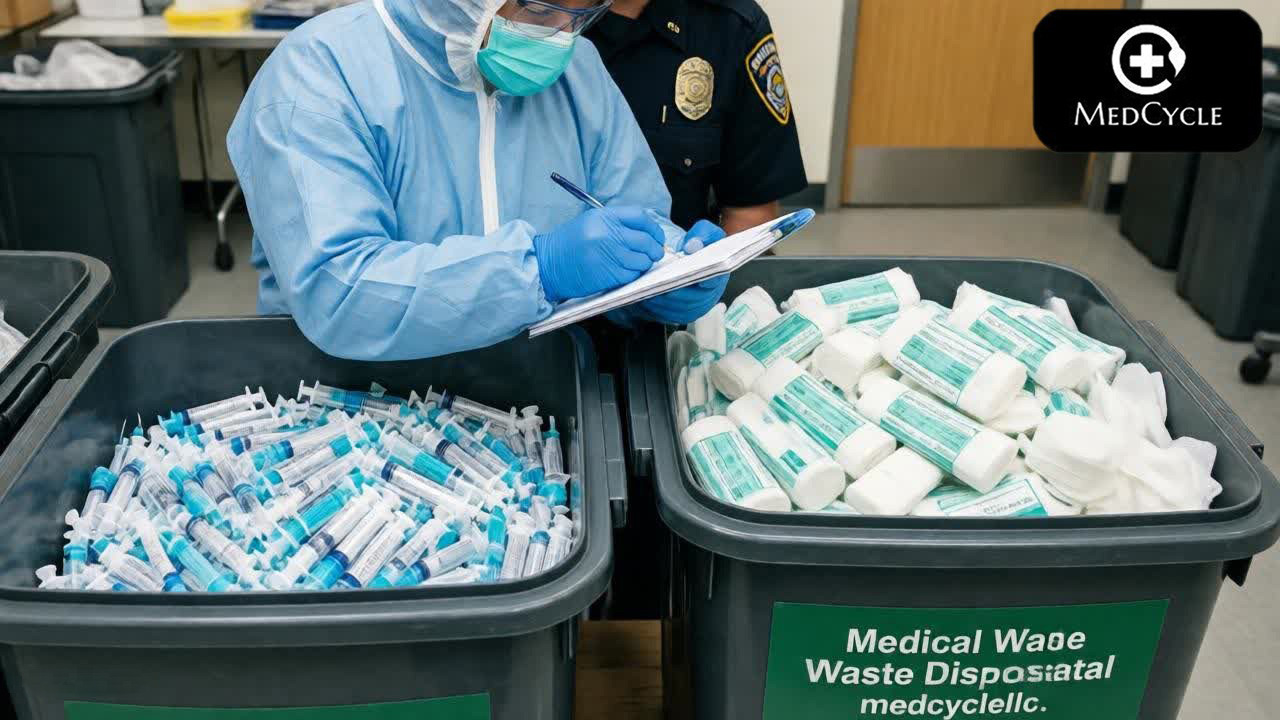
Why Medical Waste Documentation Matters More Than You Think
Medical waste documentation serves as the official record of how hazardous and non-hazardous waste is generated, segregated, stored, transported, and disposed of. These records are often audited by regulatory authorities and are critical during inspections or incident investigations.
- Documentation errors can lead to:
- Regulatory non-compliance and fines
- Delays in waste pickup or disposal
- Increased liability in case of environmental or safety incidents
- Loss of operational transparency
- Staff confusion and inconsistent waste handling
In many cases, the issue is not negligence but systemic weaknesses unclear processes, manual paperwork, insufficient training, or lack of accountability.
Common Documentation Errors in Medical Waste Management
Understanding where things go wrong is the first step toward prevention. Some of the most common documentation errors include:
Incomplete waste manifests
Missing dates, signatures, quantities, or waste categories are among the most frequent problems.
Misclassification of waste types
Incorrectly labeling infectious, pharmaceutical, chemical, or sharps waste can invalidate the entire documentation trail.
Inconsistent record-keeping formats
Using different forms, spreadsheets, or handwritten notes across departments creates discrepancies and confusion.
Delayed documentation
Recording waste details hours or days after handling increases the likelihood of errors and forgotten information.
Lack of version control
Outdated forms or procedures may still be in use, leading to non-compliant records.
Practical Strategies to Prevent Documentation Errors
1. Standardize Documentation Across the Facility
One of the most effective ways to reduce errors is to implement standardized documentation templates. Every department should use the same forms, terminology, and data fields when recording medical waste activities.
Key elements to standardize include:
- Waste categories and codes
- Units of measurement
- Date and time formats
- Responsible staff identification
- Required approvals and signatures
Standardization eliminates guesswork and ensures consistency across shifts and departments.
2. Simplify Forms to Reduce Human Error
Overly complex documentation increases the chance of mistakes. Review your current forms and remove unnecessary fields or confusing language.
Best practices:
- Use clear, plain language
- Avoid redundant data entry
- Include checkboxes instead of free-text fields where possible
- Highlight mandatory fields
When documentation is easy to complete, staff are more likely to do it correctly and consistently.
3. Train Staff with Real-Life Scenarios
Documentation training should go beyond theory. Healthcare staff benefit most from practical, scenario-based training that mirrors their daily tasks, particularly in handling and tracking waste streams. Proper training ensures accurate record-keeping, reduces errors, and strengthens compliance in Medical Waste Disposal ultimately supporting patient safety and operational efficiency.
Effective training approaches include:
- Walkthroughs of correctly completed forms
- Examples of common mistakes and their consequences
- Hands-on practice during onboarding and refresher sessions
- Clear guidance on who is responsible for each step
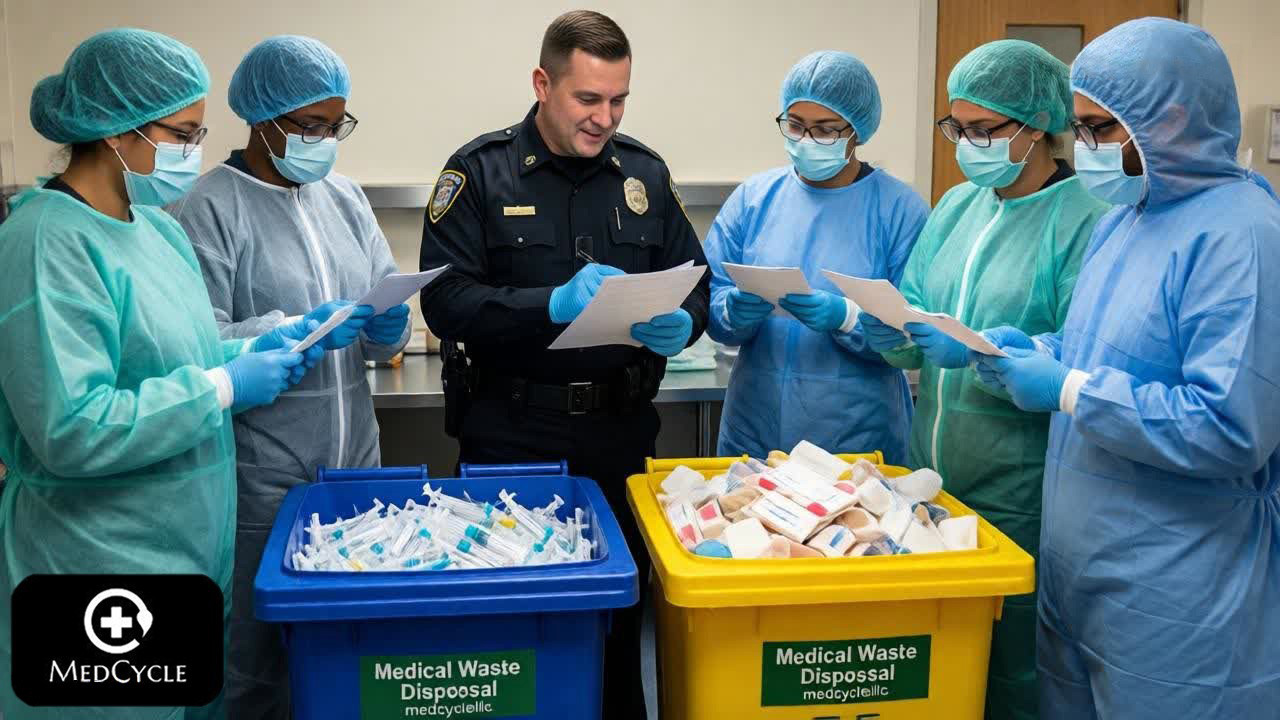
When staff understand why documentation matters, accuracy improves naturally.
4. Assign Clear Accountability
Errors often occur when responsibilities are unclear. Every stage of medical waste documentation should have a designated owner.
Define:
- Who records waste generation
- Who verifies classification
- Who reviews and signs off records
- Who archives or submits documentation
Clear accountability reduces duplication, omissions, and finger-pointing when issues arise.
5. Document in Real Time Whenever Possible
Delaying documentation increases the risk of memory-based errors. Encourage staff to record waste information at the point of generation or transfer, not at the end of the shift.
Simple adjustments such as keeping forms accessible near waste stations—can significantly improve accuracy.
6. Conduct Regular Internal Audits
Internal audits are not about blame; they are about early detection. Periodic reviews of waste documentation help identify patterns of errors before they become serious problems.
Audit tips:
- Review a sample of records from different departments
- Check for completeness, accuracy, and consistency
- Share findings transparently with staff
- Update procedures based on recurring issues
Regular audits create a culture of continuous improvement rather than reactive correction.
7. Keep Documentation Aligned with Current Regulations
Medical waste regulations evolve, and outdated documentation practices can quickly become non-compliant. Assign responsibility for monitoring regulatory updates and reviewing documentation requirements accordingly.
At least once a year:
- Review applicable laws and guidelines
- Update forms and procedures if needed
- Retrain staff on any changes
Proactive updates prevent last-minute scrambles during inspections.
The Role of Culture in Reducing Documentation Errors
Technology and processes matter, but organizational culture plays an equally important role in effective waste handling. Facilities that treat documentation as a “checkbox task” tend to experience more errors and compliance issues. To foster a stronger documentation culture and improve overall safety, healthcare organizations in Houston should integrate best practices for Regulated Medical Waste Management Houston ensuring that staff are fully trained, accountability is clear, and all processes align with regulatory standards. So:
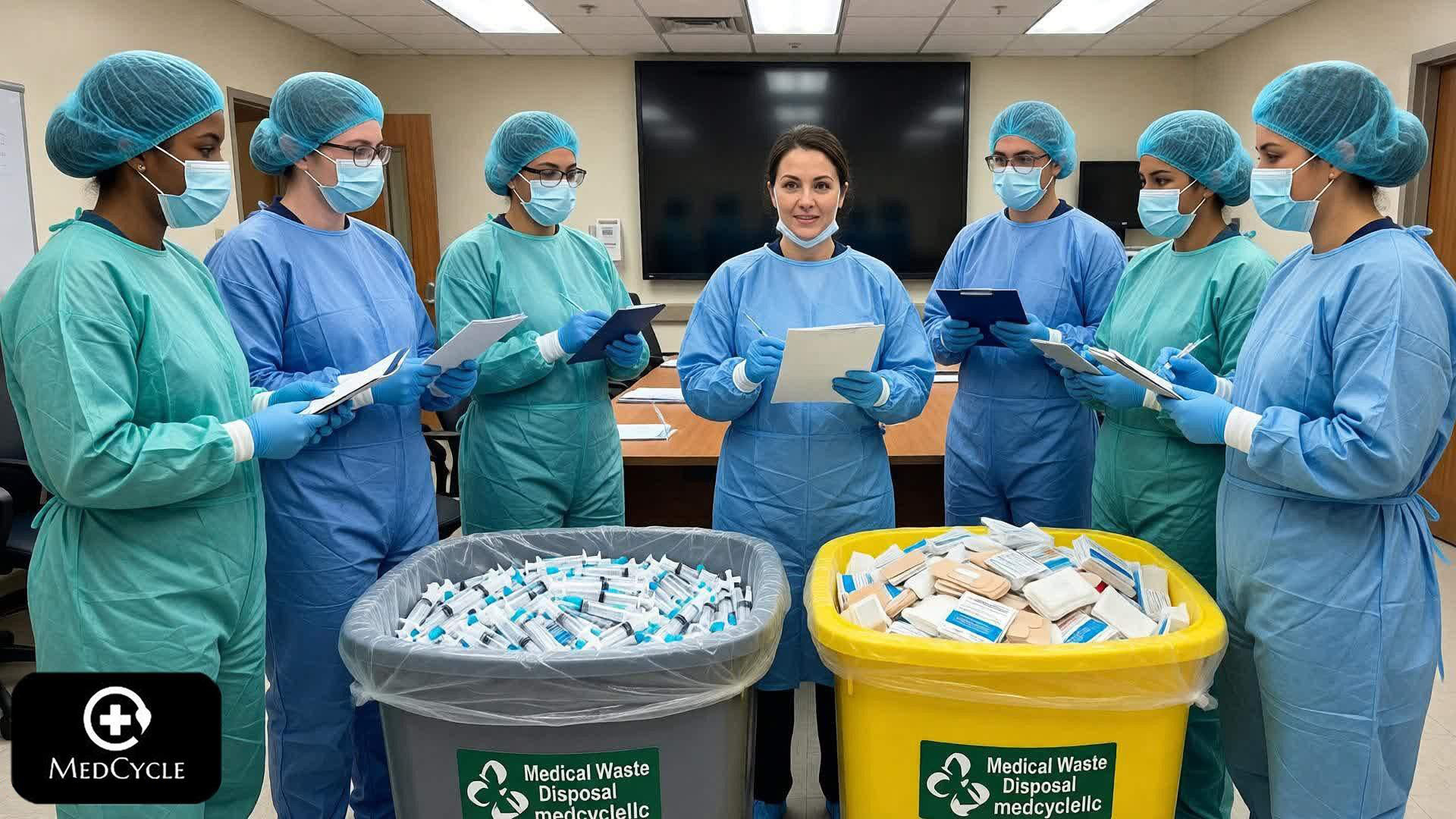
- Communicate the real-world impact of accurate records
- Recognize teams with consistently high compliance
- Encourage staff to report unclear procedures without fear
- Integrate documentation quality into performance discussions
When staff feel ownership rather than pressure, quality improves naturally.
Long-Term Benefits of Error-Free Medical Waste Documentation
Preventing documentation errors delivers benefits far beyond compliance:
- Improved operational efficiency
- Reduced risk during inspections and audits
- Greater staff confidence and clarity
- Enhanced environmental responsibility
- Stronger organizational reputation
In a healthcare environment where every detail matters, accurate documentation is a powerful tool—not a bureaucratic burden.
Conclusion
Preventing documentation errors in medical waste management is achievable with the right combination of standardization, training, accountability, and continuous review. By focusing on practical, human-centered strategies, healthcare facilities can significantly reduce risks while improving daily operations.
Accurate documentation is not just about meeting regulations it is about protecting people, processes, and the environment. Facilities that invest in getting it right today will be better prepared for the challenges of tomorrow.