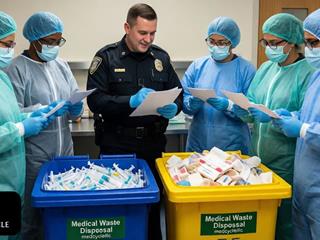
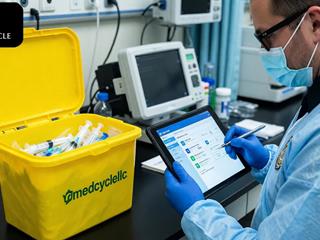
Medical waste management is not just about disposal; it’s about control, transparency, and accountability. Dallas Medical Waste Tracking refers to a structured and technology-driven approach to monitoring medical waste from the point of generation to final treatment or disposal through certified Medical Waste Disposal Services. In a city like Dallas, where healthcare facilities operate at a high scale, accurate tracking in coordination with reliable Medical Waste Disposal Services is no longer optional; it is essential.

Why Medical Waste Tracking Matters in Dallas
Dallas hosts a dense network of hospitals, clinics, laboratories, and outpatient centers. Each of these facilities generates medical waste daily, including infectious and hazardous materials. Without a reliable tracking system, the risk of environmental contamination, regulatory violations, and operational inefficiencies increases significantly.
Medical waste tracking ensures that every step generation, collection, transportation, and disposal is documented and verifiable.
Key Challenges in Medical Waste Management
High Volume of Regulated Medical Waste
Healthcare facilities generate large amounts of waste that require special handling. Managing this volume manually increases the risk of errors.
Environmental and Health Risks
Improper handling of medical waste can endanger staff, patients, and the public. Even a small lapse in tracking can have serious consequences.
Consequences of Poor Waste Visibility
Lack of accurate tracking may result in fines, compliance issues, and reputational damage for healthcare providers.
How Medical Waste Tracking Systems Work
Modern tracking systems combine software platforms, identification technologies, and standardized workflows.
Core Components of a Tracking System
- Waste identification and labeling
- Data capture at every handling stage
- Secure transportation records
- Verified treatment and disposal confirmation
The Role of Intelligent Software And medical waste landfill
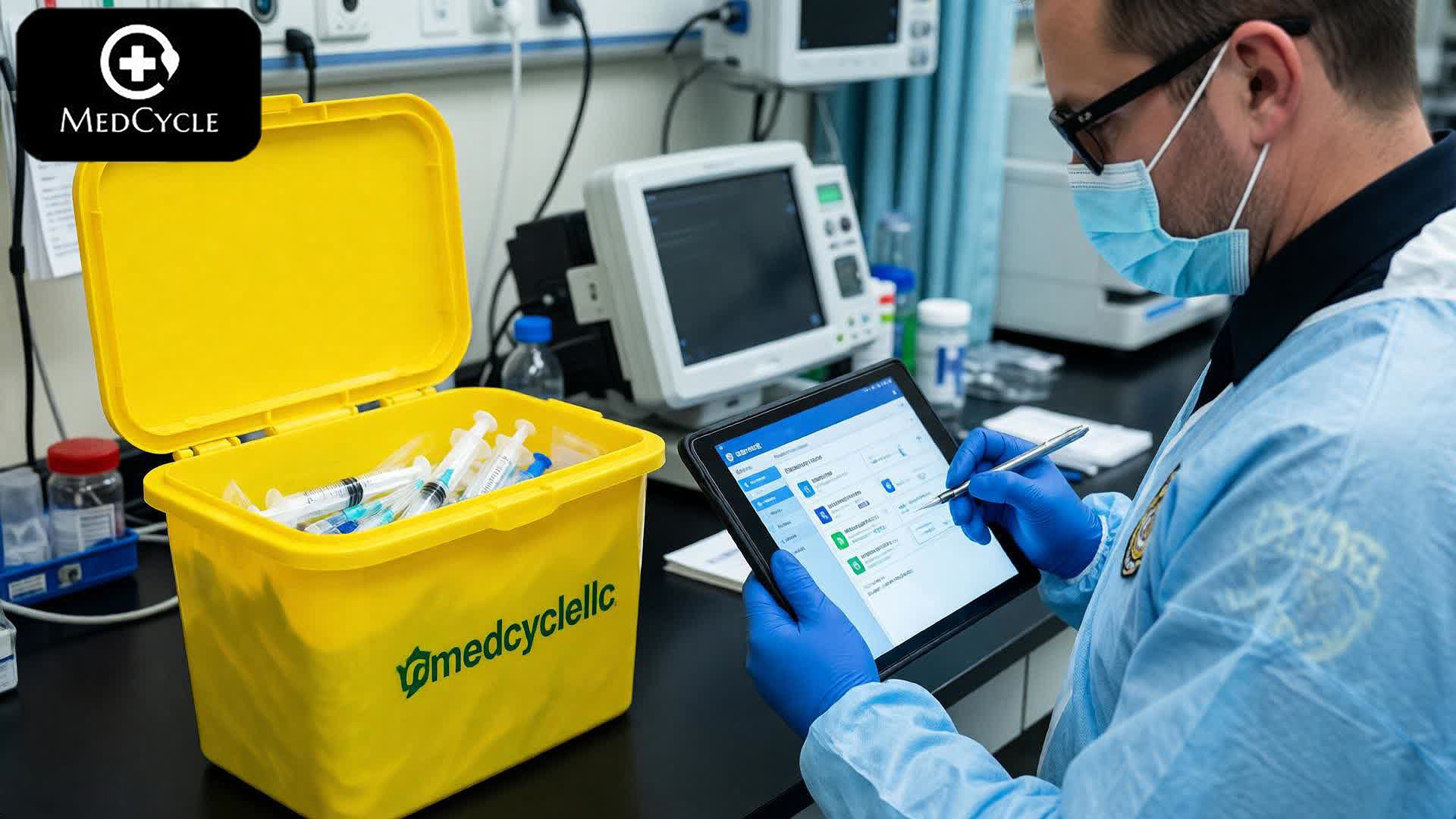
In modern healthcare environments, effective waste oversight depends heavily on digital solutions. Advanced software platforms play a critical role by centralizing data from multiple sources, reducing manual errors, and ensuring regulatory compliance. These platforms automate reporting processes and provide real-time visibility across the entire waste lifecycle, making them an essential tool for safe and compliant Biohazard Waste Management.
End-to-End Data Integration
Integrated systems eliminate data gaps and ensure that no part of the waste stream goes untracked.
What Is a Medical Waste Manifest?
A medical waste manifest acts as the official record of waste movement.
Purpose of the Manifest
It documents where the waste originated, who handled it, and where it was ultimately treated or disposed of.
Information Included in a Manifest
- Type and quantity of waste
- Generator details
- Transport timeline
- Final treatment confirmation
Digital vs. Paper Manifests
Digital manifests improve accuracy, accessibility, and long-term record retention while reducing administrative burden.
Tracking the Waste Flow: From Generation to Disposal
Waste Generation
Accurate tracking begins at the source inside hospitals and clinics.
Collection and Transportation
Each transfer of custody must be logged to maintain a clear chain of responsibility.
Treatment and Disposal
Final processing is documented to confirm compliance and environmental safety.
Why Full Transparency Is Critical
Clear visibility builds trust with regulators and ensures internal accountability.
Benefits of Dallas Medical Waste Tracking Systems
Reduced Regulatory Risk
Accurate records protect healthcare facilities during inspections and audits.
Improved Operational Efficiency
Automated tracking reduces manual paperwork and human error.
Cost Optimization
Better data leads to smarter waste handling decisions and reduced disposal costs.
The Role of Technology in Medical Waste Tracking
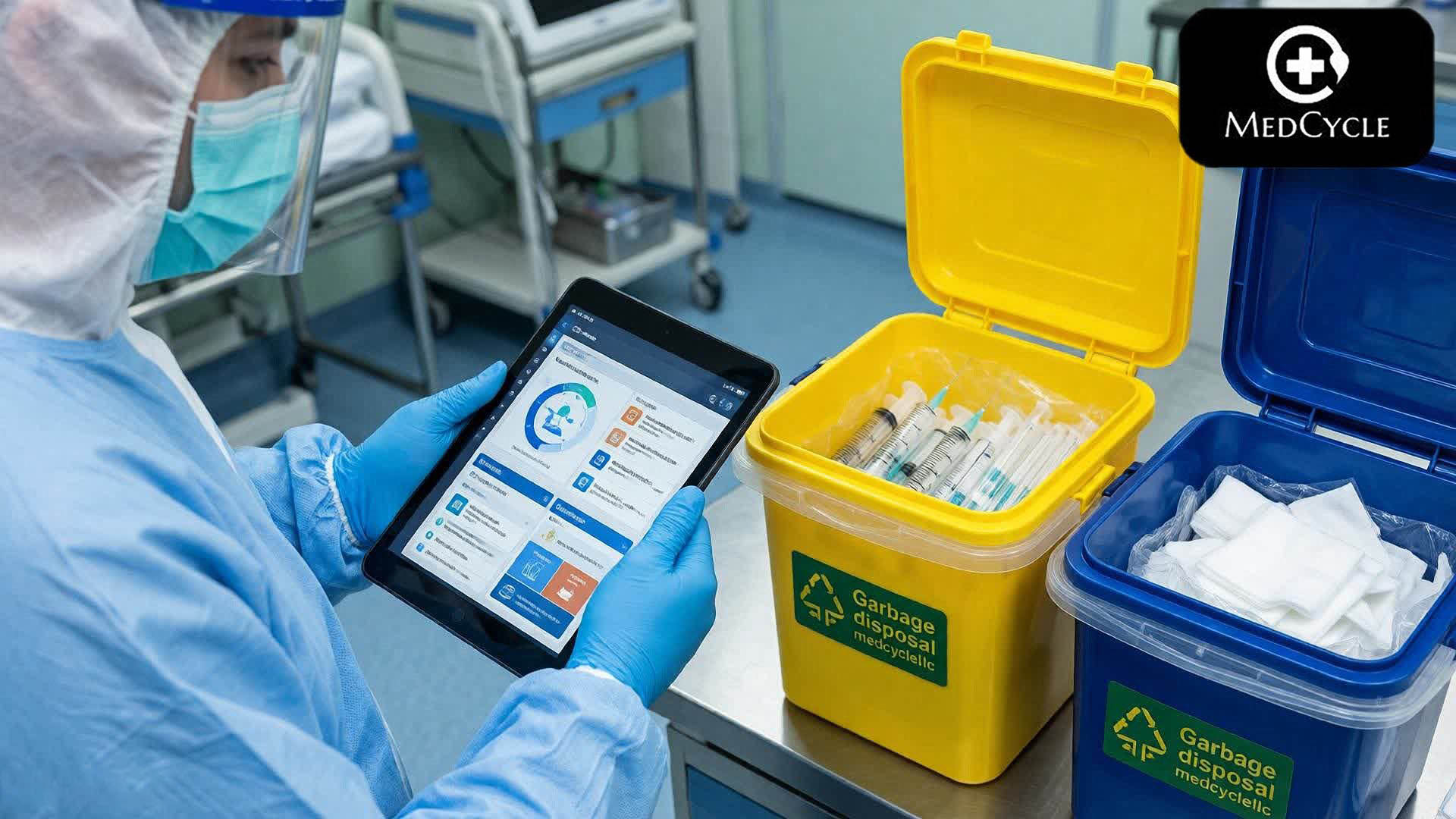
Technology plays a critical role in modern medical waste tracking by improving accuracy, transparency, and regulatory compliance. Digital systems enable healthcare facilities to monitor waste streams in real time, maintain detailed records, and ensure proper handling from generation to final disposal. This technology-driven approach is built on several key components:
1.Barcodes and RFID Tags
Each waste container carries a unique identifier for precise tracking.
2.Management Dashboards
Decision-makers can monitor waste activity in real time.
3.Instant Reporting and Alerts
Real-time data enables faster response to issues or discrepancies.
In addition to tracking physical waste, these technologies also support data security and regulatory compliance by integrating secure information-handling processes, including Secure Document Shredding Services which are essential for protecting sensitive medical and operational records.
Why Accurate Tracking Is a Necessity, Not a Choice
Regulatory Expectations
Healthcare regulations demand full documentation and traceability.
Social and Environmental Responsibility
Proper waste tracking reflects a commitment to community health and sustainability.
The Future of Medical Waste Management
Automation and digital systems are shaping the next generation of compliance and efficiency.
Common Mistakes in Medical Waste Tracking
Incomplete Data Entry
Small data gaps can compromise compliance.
Disconnected Systems
Lack of integration creates blind spots in waste flow.
Long-Term Impact of These Errors
Operational disruption and legal exposure increase over time.
How to Choose the Right Medical Waste Tracking System
Key Selection Criteria
Accuracy, ease of use, data security, and scalability.
Importance of Training and Support
Even the best system requires proper implementation and user education.
Planning for Growth
Scalable systems adapt as facilities expand.
Environmental Impact of Smart Waste Tracking
Reduced Environmental Footprint
Accurate tracking minimizes improper disposal.
Supporting Sustainable Healthcare
Efficient waste management aligns with long-term sustainability goals.
The Future of Medical Waste Tracking in Dallas
Advanced analytics, automation, and AI-driven insights will continue to refine waste tracking and compliance.
Conclusion
Dallas Medical Waste Tracking goes far beyond being a simple compliance requirement; it represents a strategic and forward-thinking approach to safety, operational efficiency, and corporate responsibility. When healthcare facilities adopt advanced tracking systems, digital manifests, and end-to-end visibility over the medical waste lifecycle, they gain far more than regulatory peace of mind they gain control.
By leveraging modern technologies, organizations can significantly reduce human error, eliminate blind spots in waste handling, and ensure that every step from generation to final disposal is documented, traceable, and verifiable. This level of transparency not only minimizes legal and operational risks but also enables data-driven decision-making that improves workflow efficiency and optimizes costs over time.